When people think about car window tint, they often focus on appearance, privacy, or keeping the cabin cooler. However, one of the most valuable benefits of quality window film is something you may not notice immediately: helping protect your car’s interior from prolonged exposure to sunlight.
Every time your vehicle sits outside in the sun, its dashboard, seats, door panels, steering wheel and other interior surfaces are exposed to solar radiation and heat. Over time, this repeated exposure can contribute to fading, discoloration, drying, cracking and general deterioration of interior materials.
For drivers considering professional car window tinting, understanding how window film works can help you choose the right solution for your vehicle. Quality automotive window film is designed to do more than change the appearance of your windows. Depending on the film, it can help reduce UV exposure, solar heat and glare while making the cabin more comfortable.
So, does window tint actually protect your car’s interior from sun damage?
The short answer is yes, a properly selected and professionally installed window film can help reduce the effects of long-term sun exposure, although it cannot completely eliminate interior aging or damage.
How Does Sun Damage Affect Your Car’s Interior?
Your vehicle’s interior is made from a combination of materials, including plastic, vinyl, leather, fabric, rubber and synthetic materials. These materials can react differently to prolonged exposure to sunlight.
A car that is regularly parked outdoors may gradually develop faded seats, a discoloured dashboard or cracked and dried surfaces. You might also notice that areas receiving direct sunlight look different from parts of the interior that are naturally shaded.
This deterioration doesn’t normally happen overnight. Instead, repeated exposure over months and years gradually affects the appearance and condition of the materials.
Two major factors are particularly important: ultraviolet radiation and solar heat.
UV radiation can contribute to fading and deterioration, while heat can place additional stress on materials through repeated heating and cooling. Together, these factors make prolonged sun exposure an important consideration for anyone who wants to keep a vehicle’s interior looking newer for longer.
Can Window Tint Block UV Rays?
Yes. One of the key advantages of quality automotive window film is its ability to reduce UV radiation passing through the glass.
Ultraviolet radiation is invisible to the human eye, but prolonged exposure can affect both people and materials. The Skin Cancer Foundation notes that specially designed automotive window films can block more than 99% of UVA and UVB radiation, depending on the product. (Skin Cancer Foundation)
This makes UV protection an important consideration when selecting window film.
However, it’s important to understand that not every tint film has identical performance. The level of protection depends on the specific film technology and manufacturer specifications.
Therefore, if protecting your car’s interior is one of your main goals, don’t choose window tint based solely on how dark it looks. Ask about its documented UV-rejection performance.
Does Window Tint Prevent Interior Fading?
Window tint can help reduce the factors that contribute to fading, but it cannot guarantee that your interior will never fade.
The amount of fading your vehicle experiences depends on several factors, including how frequently it is exposed to direct sunlight, where it is parked, the materials used inside the vehicle and the amount of protection provided by the glass and window film.
A quality window film acts as an additional protective layer by reducing the amount of UV radiation and solar energy entering through the windows.
This can be particularly beneficial for vehicles with darker or premium interiors where fading and discoloration can become noticeable over time.
For example, leather seats may gradually lose their original appearance when repeatedly exposed to strong sunlight. Plastic and vinyl surfaces can also become dry or discoloured with prolonged exposure.
Window tint won’t replace proper interior maintenance, but it can be part of a broader approach to protecting the cabin.
What Parts of Your Car Interior Can Benefit From Window Tint?
The protective benefits of window film can extend across several areas of your vehicle’s cabin.
Dashboard and Trim
Your dashboard can receive significant sunlight through the windshield and front glass. Repeated exposure to heat and solar radiation can contribute to fading, drying and deterioration over time.
While windshield tint options are subject to specific legal and visibility requirements, reducing solar exposure through appropriate glazing can help limit the amount of heat entering the cabin.
Leather and Fabric Seats
Seats can also be affected by prolonged sunlight. Leather may become dry or discoloured, while fabric can gradually fade.
Side and rear window film can reduce the amount of UV radiation reaching these surfaces, particularly when the vehicle is regularly parked outside.
Door Panels and Interior Plastics
Door panels, armrests and plastic trim can also experience fading and deterioration when exposed to direct sunlight.
Because these components are often close to the side windows, the additional UV protection provided by quality window film can be useful.
Does Darker Window Tint Provide Better Protection?
Not necessarily.
This is one of the most common misconceptions about window tint.
The darkness of a film is generally described using Visible Light Transmission (VLT). A lower VLT percentage means less visible light passes through the glass, so the film appears darker.
However, darkness and UV protection are two different characteristics.
A relatively light film can provide strong UV protection if it has been specifically engineered for that purpose. Similarly, a very dark film isn’t automatically a higher-performing film simply because it looks darker.
If your primary objective is protecting your vehicle’s interior, you should consider the film’s UV rejection, solar-energy performance, heat rejection, optical clarity and overall construction rather than choosing solely based on appearance.
This is one reason ceramic window tint has become popular among drivers who want a combination of appearance, comfort and performance.
Is Ceramic Window Tint Better for Interior Protection?
Ceramic window films are designed using ceramic-based materials that can provide performance benefits beyond simply darkening the glass.
Depending on the specific product, ceramic films can provide strong UV protection and solar-energy rejection while maintaining good optical clarity. They can also help reduce infrared radiation and the amount of heat entering the vehicle.
However, it’s important not to assume that every ceramic film offers exactly the same performance.
When comparing films, look at the manufacturer’s technical specifications and ask your installer what the film is designed to achieve.
If you’re considering upgrading your vehicle’s tint, Diamond Tints’ automotive window tinting service can be a useful starting point for understanding the available options and finding a film suited to your vehicle and driving needs.
Does Window Tint Help Keep Your Car Cooler?
Yes. Reducing solar energy entering through the windows can help reduce heat buildup inside the vehicle.
Anyone who has entered a car that has been sitting in direct sunlight knows how quickly the interior can become uncomfortable. Seats, steering wheels and dashboards can become extremely hot, while the cabin itself can take time to cool down.
A suitable solar-control window film can reduce the amount of solar energy transmitted through the glass. This can make the interior more comfortable, particularly during periods of strong sunlight.
For drivers in Atlanta and the surrounding Georgia area, this can be an especially useful consideration. Vehicles can experience significant heat and sun exposure during the warmer months, particularly when parked outdoors.
The goal shouldn’t simply be to choose the darkest film available. Instead, look for a film that provides the right balance of UV protection, heat rejection, visibility and appearance.
Why Is UV Protection Important for Atlanta Drivers?
Atlanta’s warm climate and sunny conditions make protection from solar exposure an important consideration for vehicle owners.
A car that is regularly parked outside at home, at work or while running errands can receive repeated exposure to sunlight throughout the year. Over time, that exposure can contribute to changes in the appearance and condition of the interior.
This is where professional window film can provide an additional layer of protection.
For Atlanta drivers, the benefits aren’t limited to interior preservation. Quality window tint can also help reduce glare and solar heat, potentially making everyday driving more comfortable.
If convenience is also important, mobile window tinting in Atlanta allows tint installation to be carried out at a suitable location rather than requiring every customer to visit a traditional shop.
How Much UV Protection Should You Look For?
If interior protection is your main concern, UV rejection should be one of the first specifications you ask about.
Rather than assuming that every window film offers the same protection, ask the installer for the manufacturer’s published specifications for the exact film being considered.
A quality film should have clear information regarding its UV performance, visible light transmission and solar-energy characteristics.
It’s also worth remembering that UV protection is only one part of overall film performance. A good window film should be selected according to your priorities, whether those are heat reduction, glare reduction, privacy, appearance, UV protection or a combination of these factors.
Can Window Tint Protect Leather Seats From Cracking?
Window tint can help reduce the UV and solar exposure reaching leather seats, which may help reduce some of the environmental stress associated with prolonged sunlight.
However, tint should not be treated as a replacement for proper leather maintenance.
Leather can still become dry or damaged because of age, heat, poor maintenance and general wear. Regular cleaning and conditioning, following the vehicle manufacturer’s recommendations, can help maintain the material.
Combining good interior care with quality window film gives your vehicle better overall protection than relying on either approach alone.
Can Window Tint Protect Your Dashboard?
Window tint can help reduce solar heat and UV exposure entering through the areas of glass it covers, which may help reduce some of the conditions that contribute to interior deterioration.
However, the dashboard receives a significant amount of sunlight through the windshield, and windshield tint is subject to specific visibility and legal requirements.
This means drivers should never assume that installing dark film on every piece of glass is the best approach.
Instead, a professional installer can help determine which film and VLT levels are appropriate for the vehicle while keeping visibility and applicable regulations in mind.
How to Protect Your Car Interior Alongside Window Tint
Window tint is an effective additional layer of protection, but your parking and maintenance habits still matter.
Whenever possible, park in a garage, covered parking area or shade. When parking outdoors for extended periods, a quality windshield sunshade can provide additional protection for the dashboard and front cabin.
You should also follow the manufacturer’s recommendations for maintaining leather, vinyl, plastic and fabric surfaces.
Most importantly, choose a window film based on its actual performance rather than simply choosing the darkest option or the cheapest installation.
Professional Installation Matters
The quality of the film is important, but installation quality matters too.
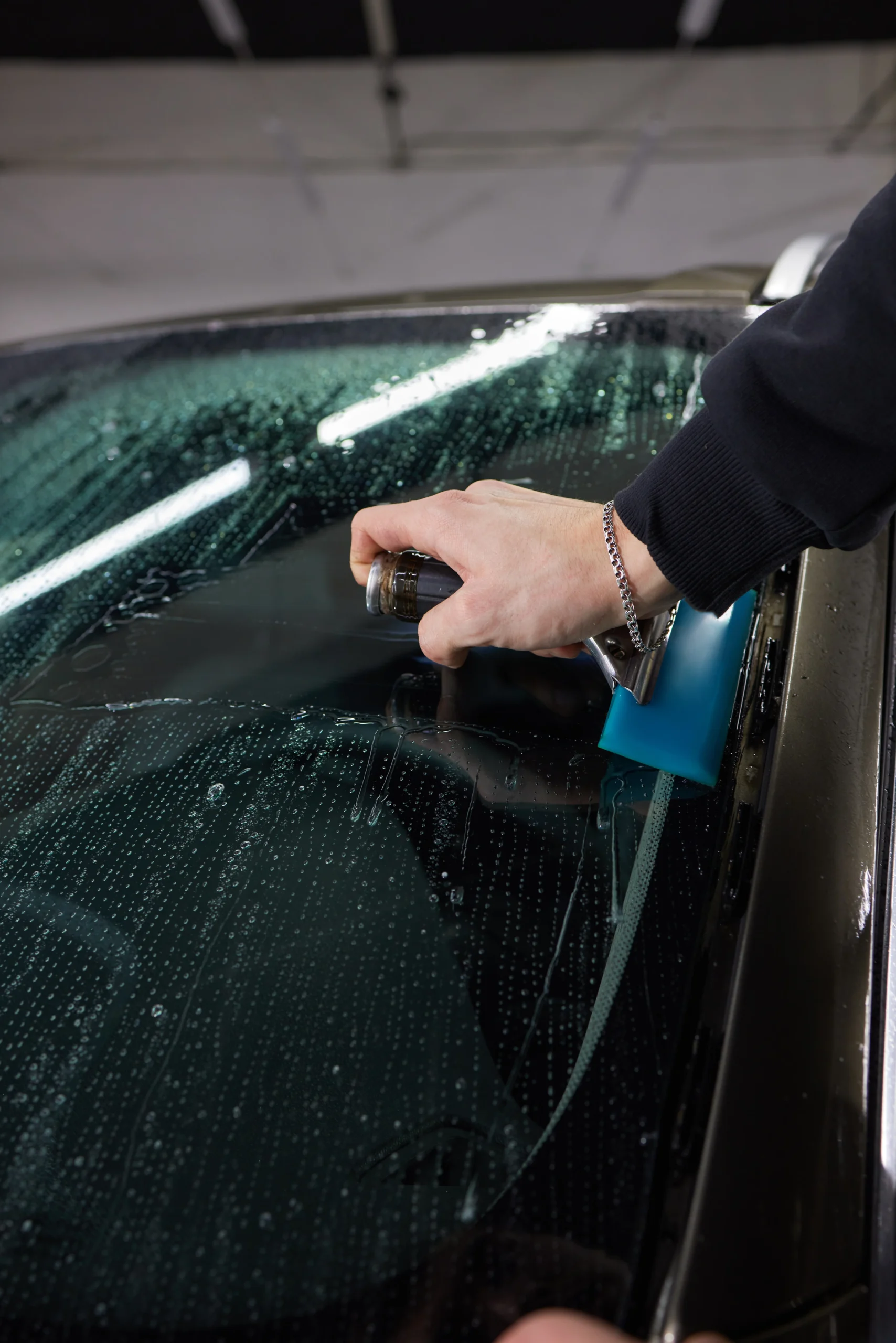
Poor installation can result in visible bubbles, contamination, peeling, uneven edges or premature deterioration. Professional installation helps ensure that the film is correctly prepared, positioned and applied to the glass.
The curing process is also important after installation. Newly installed film needs time to bond properly with the glass, and customers should follow their installer’s specific aftercare instructions.
Diamond Tints provides professional automotive tinting and mobile installation services throughout the Atlanta area, with a focus on quality film and professional application. Learn more about Diamond Tints and its approach to professional window tint installation.
Does Window Tint Protect Your Car’s Interior From Sun Damage?
Yes, quality window tint can help protect your car’s interior from long-term sun exposure.
By reducing UV radiation and solar energy entering through the windows, automotive window film can help reduce some of the conditions associated with fading, discoloration and deterioration of interior materials.
However, window tint is not a complete solution by itself. The level of protection depends on the quality and specifications of the film, the areas of glass covered, installation quality and the amount of sunlight your vehicle receives.
For drivers who want to preserve their vehicle’s interior, the best approach is to combine quality window film, professional installation, regular interior care and sensible parking habits.
And if you’re choosing between different tint options, don’t judge a film only by how dark it looks. Ask about its UV rejection, heat rejection, VLT, optical clarity, durability and warranty.
Frequently Asked Questions
Does window tint really protect a car interior?
Yes. Quality automotive window film can reduce UV radiation and solar energy entering through the windows, which can help reduce long-term exposure that contributes to fading and deterioration of interior materials.
Does window tint stop car seats from fading?
It can help reduce the UV and solar exposure that contributes to fading, but it cannot completely prevent fading. Interior material, sunlight exposure, parking conditions and film performance all play a role.
Does darker window tint provide better UV protection?
No. Film darkness and UV protection are different characteristics. A lighter film can provide strong UV protection if it is designed and tested for that purpose.
Is ceramic tint better than regular tint?
Ceramic films can offer strong UV and solar-control performance, but the exact performance varies between products. The best choice depends on the film’s specifications and your priorities.
Can window tint prevent a dashboard from cracking?
Window tint can help reduce UV and solar exposure, but it cannot guarantee that a dashboard will never crack. Heat, age, material quality and general vehicle use also affect dashboard condition.
Does window tint keep the inside of a car cooler?
A suitable solar-control film can reduce solar heat entering through the windows, which can help make the vehicle’s interior more comfortable in sunny conditions.
How long does automotive window tint last?
The lifespan depends on the film quality, installation, environmental exposure and maintenance. Professional installation and proper aftercare can help maximize the useful life of the film.
Is window tint worth it for Atlanta drivers?
For drivers who regularly deal with strong sunlight and heat, window tint can provide several practical benefits, including UV protection, reduced solar heat and glare, privacy and improved cabin comfort. The right film depends on the vehicle, driving habits and desired level of performance.
Final Thoughts
Window tint is often viewed as a styling upgrade, but its benefits can go much further. The right automotive film can help reduce UV exposure, solar heat and glare while providing an additional layer of protection for the materials inside your vehicle.
If you spend significant time driving in Atlanta or regularly leave your vehicle parked outdoors, investing in a professionally installed, performance-focused window film can be a practical way to improve comfort while helping maintain your vehicle’s interior over time.
When choosing a tint, focus on performance rather than darkness alone. A professional installer can help you select the appropriate film based on UV protection, heat rejection, VLT, appearance and your vehicle’s specific requirements.