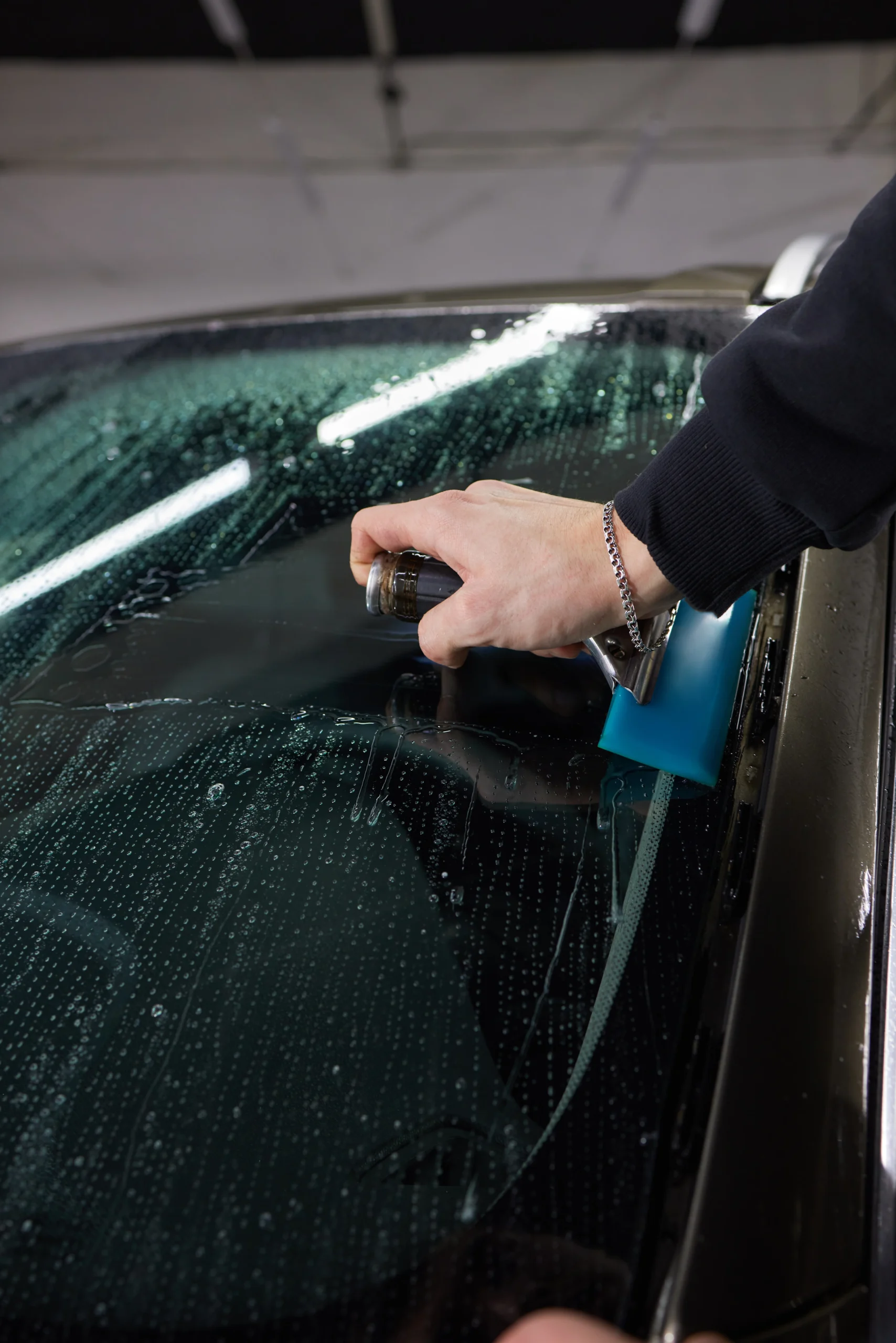
We all know that tint doesn’t last forever. Still, knowing when we can replace it will save us from surprise repair costs and car inspection fails. Car window tint needs an upgrade when you see bubbles, peeled edges, a purple or brown tint (not the original color), or when your car interior doesn’t remain cool anymore despite tinted windows.
A good window tint keeps the heat down in summer. It also protects your seats and dashboard from fading, and cuts the unwanted glare when you’re driving into the sun’s direction. Once the tint starts wearing out, your car only gets hotter inside.
Does Window Tint Wear Out Over Time?
Harsh summers are the main culprit behind the bad quality of window tint. The sunlight beats down every day, the adhesive weakens (no matter how strong it is), and at last, the car window film itself also starts to break down.
It’s not like waking up and finding out your tint is in worse condition. The deterioration of a tint is a low and gradual process, which is why you should keep inspecting windows every now and then. A small bubble or a tiny bit of peeling tells if the tint is on its way out.
Can Old Car Window Tint Block Heat?
It’s common for every window tint to get old; it stops serving the purpose of blocking the heat. The inside material of a film deflects heat away from a car. However, the material does eventually break down over time. Tinted windows may retain a dark outlook in the long run, but they might fail to keep the inside of a car cooler.
The tint also stops blocking UV rays properly as time passes; these harmful rays make their way to the seats, dashboard, and steering wheel. Interior care fittings not only start to fade but also crack faster. The very same UV rays aren’t doing your skin any favors, even on long drives, as they suppress the immune system and badly damage the skin.
Is There Any Perfect Time for Tint Replacement?
There are always some telltale signs that tell you it’s finally the right time for a new tint. You must catch these signs soon enough to do something about them.
Poor Visibility
Foggy or hazy window tints are a practical alarm as adhesive breaks down, or moisture gets trapped within the film. These affected window tints make it harder to see out of your windows at night or in rainy weather.
Legal Repercussions
You can get pulled over for an old or damaged window tint. The tint may be legal when you got it installed. However, bubbling and peeling can make it look darker than it originally was. Moreover, a tint may just feel messy and not maintained. It all catches the eye of police officers.
Dry or Cracked Film
A tint’s film gets brittle and starts to crack with time. You’ll also see little lines spread out over the window. Once cracking starts, there’s no way to permanently fix it, so the full replacement of the window tint is the only option.
Faded or Unwanted Colors
A good quality tint retains its original color for a longer time. It may slowly appear to look like a purple or brownish shade, or even look splotchy. It’s a sign that the chemicals in the tint film have completed their life; your car is no longer protected from UV rays.
How Much Does Window Tint Replacement Cost?
The complete expense of replacing your window tint depends on a few things. How big your car is, the number of windows you want to be tinted, and the type of film being used. Basic films do not cost much upfront, while ceramic window tinting or other high-performance films cost more. However, on the flip side, they also last longer and do a better job of blocking heat.
For most cars, you’re looking at somewhere between a few hundred dollars and around a thousand for all the windows. If you just need one or two windows done, it’ll cost less. Let Diamond Tints take a look and give you an honest assessment of what your car needs.